An independent assessment by BVG Associates (BVGA), one of the world's leading offshore wind consultancies, has concluded that Windeed's floating foundation and mooring system delivers a levelised cost of energy (LCOE) “materially lower than that of typical second-generation floating offshore wind designs when measured on a like-for-like basis".
For Windeed, the finding is external validation of the company’s main objective: to develop a low-risk floating wind system with the lowest achievable CAPEX and lifecycle cost, enabling competitiveness on par with land-based wind.
Why this matters now
For more than a decade, floating offshore wind has been focused on proving that the technology works. That question has now been answered: turbine structures have been floated, towed to deep water, and operated safely in harsh conditions around the world.
The industry has entered a new phase. The defining question is no longer whether floating wind can be built, but whether it can be built at a cost that enables large-scale commercial deployment without an unsustainable burden on public finances.
That is a harder challenge than it sounds. First-generation floating projects relied heavily on oil and gas heritage—heavy steel substructures, complex supply chains, and installation methods designed for robustness rather than cost efficiency. While effective for de-risking early projects, these approaches were never optimised for high-volume power generation.
Scale alone cannot fix a fundamentally expensive design. The underlying architecture sets the floor of the cost curve. Real cost reduction must be engineered from the outset. Innovative concepts, radically lowering total cost, is now needed.
What the independent review found
To test its cost claims objectively, Windeed commissioned BVGA to carry out a rigorous LCOE assessment using the same modelling framework the consultancy has refined over more than a decade and applies across the global industry.
BVGA built bottom-up cost models covering substructure, mooring, anchoring, and installation logistics. Importantly, the comparison was made against modern floating concepts currently being developed for commercial deployment—not early-stage demonstration units.
The review identified three structural drivers behind Windeed’s advantage:
- An optimised material footprint reducing dependence on scarce and cost-intensive inputs
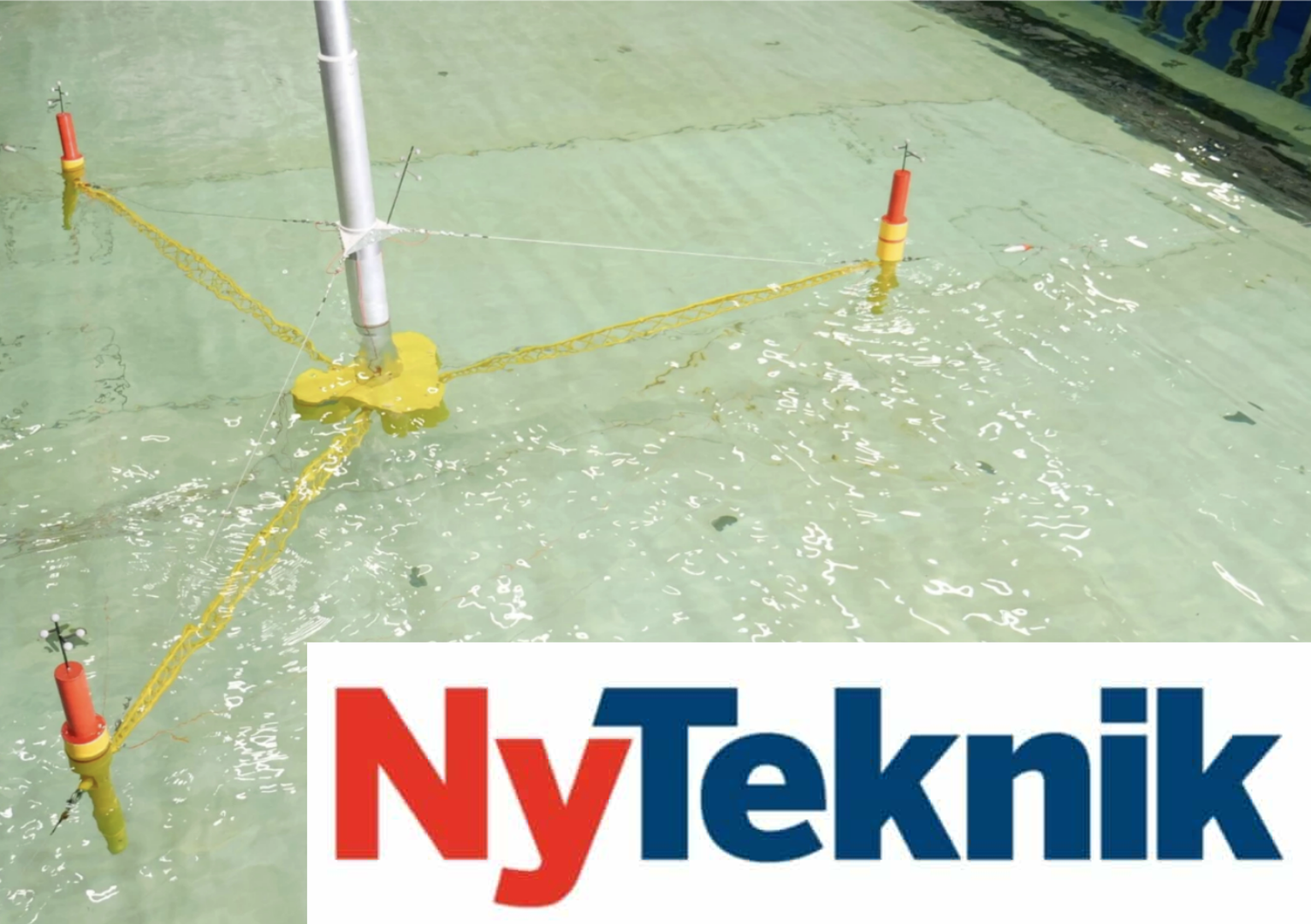
- A streamlined mooring architecture
- Simplified installation logistics
BVGA described the concept as:
“a credible and potentially highly competitive floating offshore wind concept, with a clear and plausible pathway… to materially lower LCOE as the technology matures and is deployed at scale.”
Windeed’s commercial target is to deliver LCOE below 80 EUR/MWh.
Global supply chain realities and the role of China
Achieving structurally lower costs in floating wind is not only a matter of design—it also depends on access to a competitive global supply chain.
As highlighted by UK Offshore Wind Champion Tim Pick, excluding Chinese suppliers risks reducing competition and increasing costs, while engagement—if handled with appropriate risk mitigation—can accelerate cost reduction and industrial scaling.
For Windeed, this reinforces a pragmatic approach: combining European engineering know-how, marine operations expertise and project development experience with globally competitive manufacturing capacity, including from China where appropriate. Increased competition in key components such as turbines, series fabricated structures and moorings as well as vessels is essential to push down costs across the value chain.
This approach aligns with the broader industry reality: the energy transition at scale will require collaboration across regions, while fulfilling robust requirements for quality, security, and resilience.
Positioned for tightening cost demands in every market
The BVGA verification comes as governments shift from supporting technology demonstration to demanding cost discipline.
Norway is a clear example. The ongoing debate around Utsira Nord—where public support of up to NOK 35 billion has been discussed for 500 MW—illustrates increasing scrutiny of subsidy levels. This is not opposition to offshore wind, but a call for technologies that reduce the subsidy requirement.
Windeed’s low amount of material, simplified-logistics architecture directly addresses this challenge, enabling more capacity to be deployed per unit of public support while leveraging Norway’s strong maritime supply chain.
Similar dynamics are emerging in:
- The UK’s Contracts for Difference (CfD) rounds
- France’s commercial offshore wind auctions
where cost competitiveness, bankability, and supply chain efficiency are becoming decisive factors.
Unlocking the deep-water frontier
Windeed’s advantage extends to deeper waters.
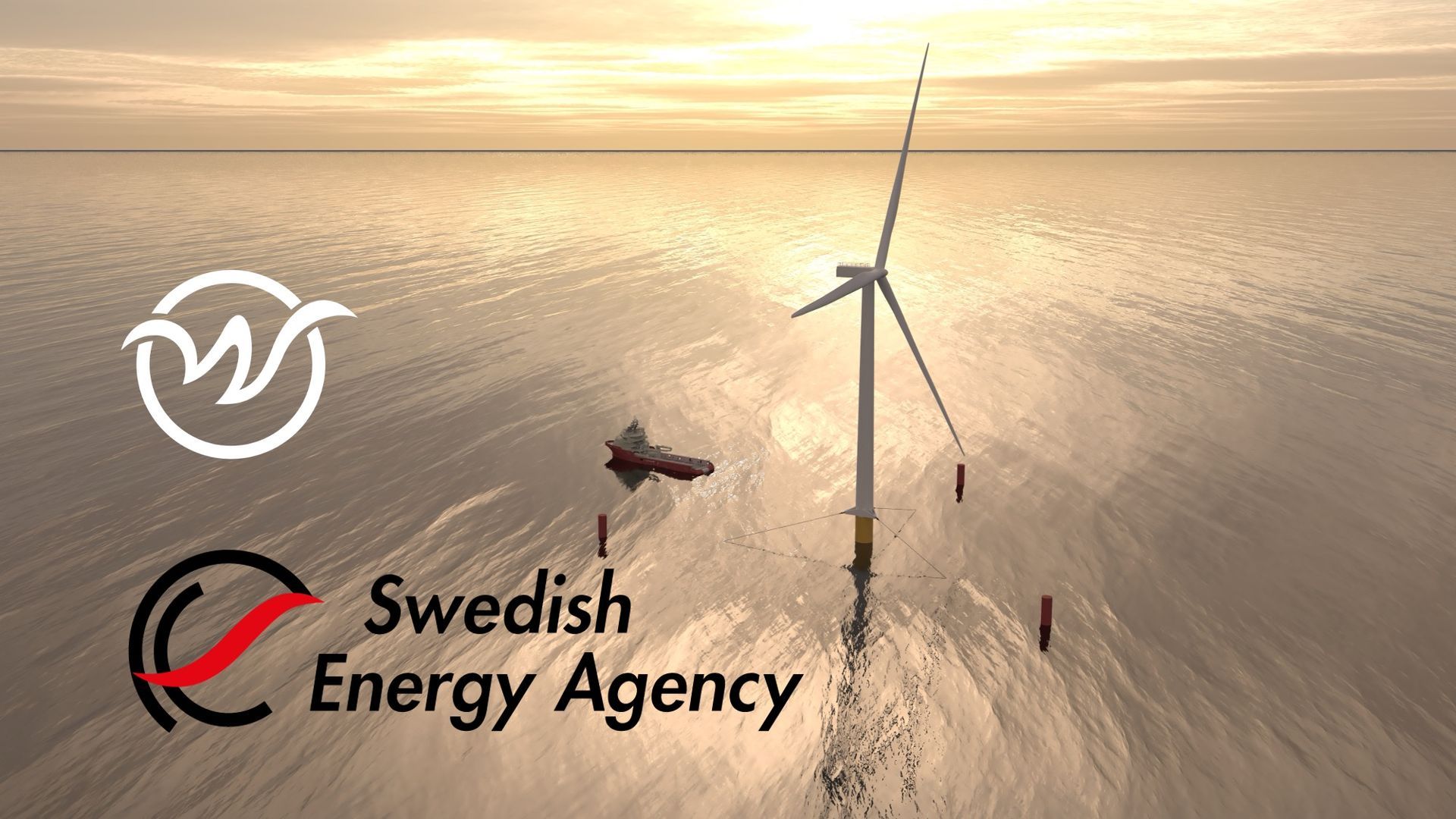
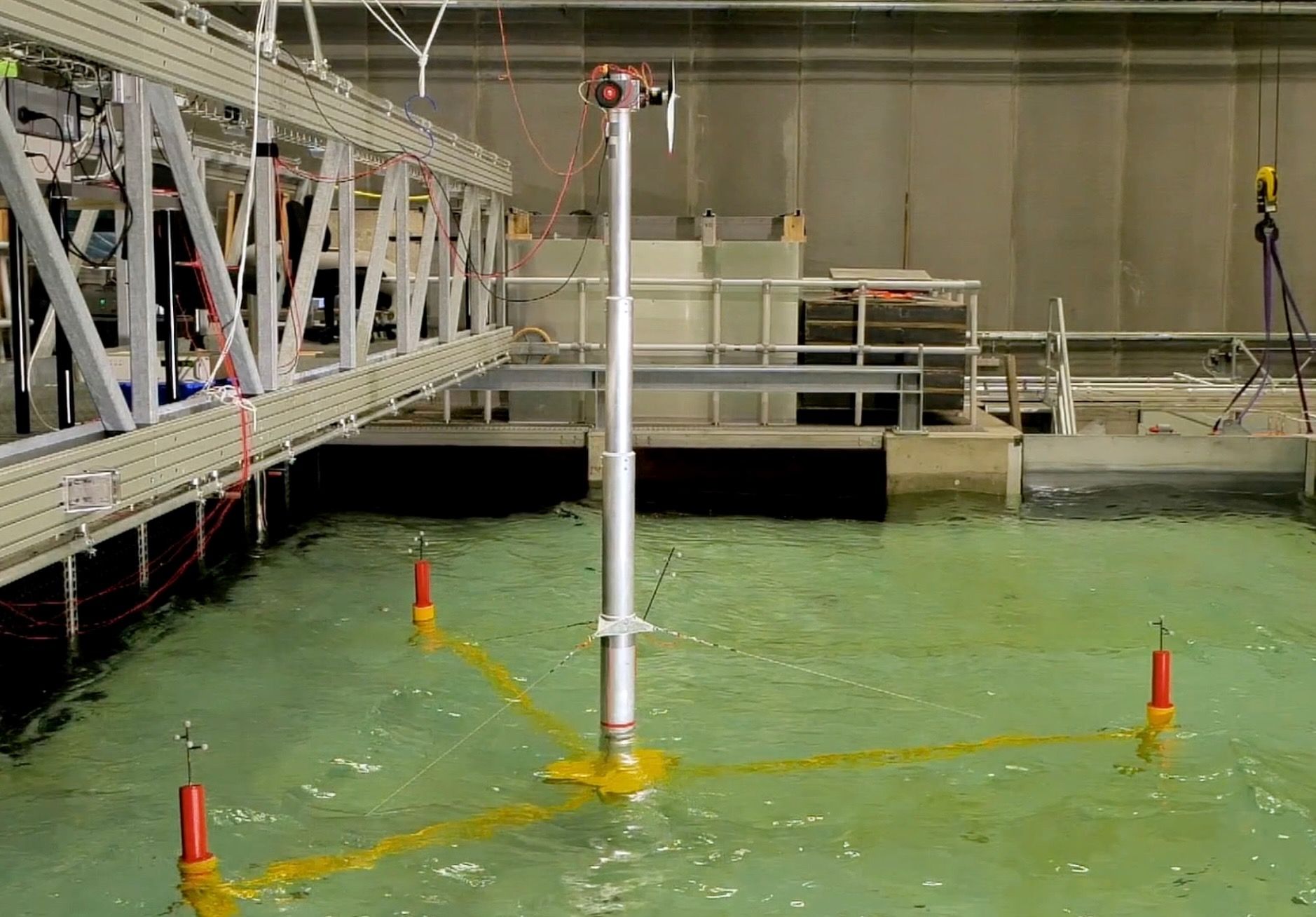
Many of the world’s strongest wind resources lie at very deep waters, where conventional steel-chain mooring systems become prohibitively heavy and expensive. With support from the Swedish Energy Agency (Energimyndigheten), Windeed is advancing a deep-water mooring solution based on pre-tensioned synthetic lines, easy to install prior to floater deployment.
This approach:
- Reduces material weight
- Lowers transport and installation requirements
- Minimises seabed footprint
It applies the same core principle—less material and simpler logistics—from shallow waters to deep-water environments, which represent the long-term growth frontier for floating wind.
Windeed’s positioning
The next success story in floating wind will not be the project that proves the technology can float.
It will be the one that proves floating wind can compete at scale.
Independent verification now positions Windeed firmly in that category.
Share this post: